
The Dark Bag
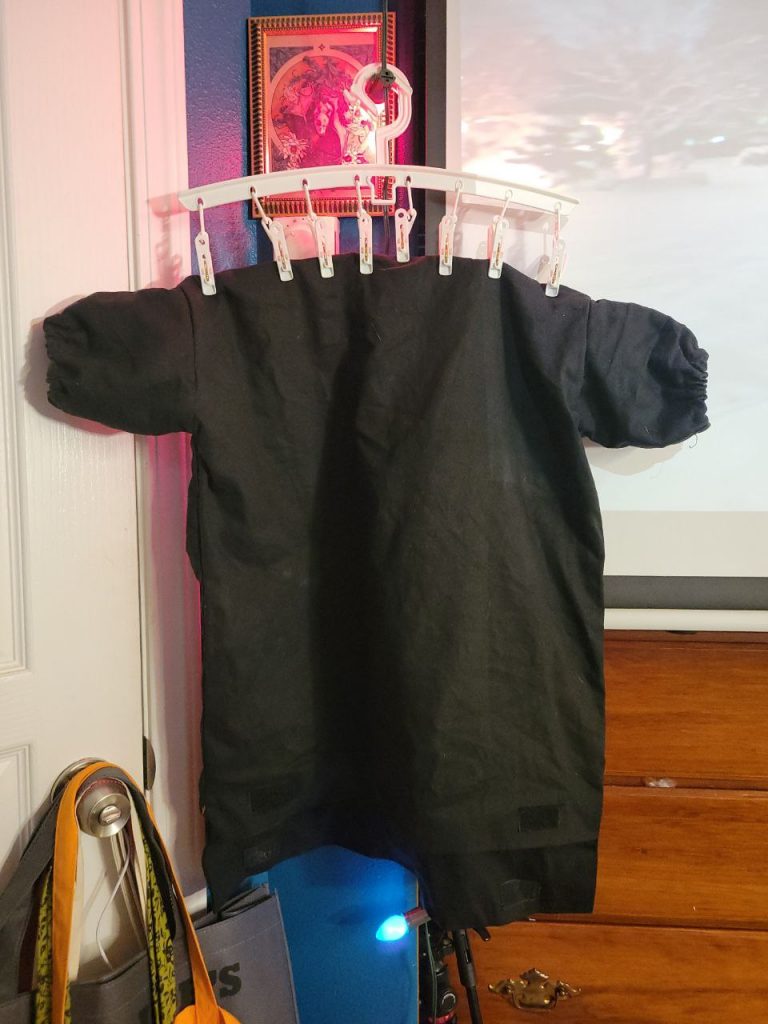
Every time I’ve ever talked to someone about developing film, they’ve shuddered at the very mention of the dark bag (or, as some call it, “changing bag”). Even some who have tried this fun adventure of developing one’s own film at home have given up at literally stage 2 (stage 1 being “have film to develop”) when they can’t finagle the film into the tank.
But, I promise, this is something you can do.
Three Really Good Pieces of Advice
The first bit of advice I have for you happens when the film is still in your camera. You’ve shot all 24/36 frames and you’re ready to rewind the film. Don’t rewind it all the way back into the canister. There are two ways to achieve this: by going slow and feeling when it’s no longer engaged on the advance gear inside the camera, or by taping it to the advance gear when you initially load the film, that way there will be clear resistance when it’s done. The first option can be scary, because at least once in your life, you’re very likely going to think you felt it disengage and open it up to find that you were imagining things. You can also take the whole camera into your dark bag when you think you’re sure in order to feel around and be certain.
If you rewound it all the way inside the canister either accidentally or by design, though, there’s no trouble, that’s the way it’s ‘supposed’ to be. So you will bring a bottle opener with you into the dark bag and pop one of the ends off. (You can also get the tail out by lightly wetting another piece of film and sticking it in the canister, but that can be much more frustrating that just using a bottle opener).
The second bit of advice is that you purchase a roll of film entirely for practice. Yes, this feels like a sick and terrible thing to do when film is precious and wonderful, but the more you do this the better you’ll get at it. If you have a sacrificial roll, then you can pull the whole unit out of the dark bag whenever you have an issue and see exactly what the problem is. Just don’t cut it when it’s finished and never roll it all the way back inside when you’re starting over and you can do this forever. I used a roll of positive slide film (because I never intended to do positive developing) for my practice and I still have it. The perforations are all messed up and it’s really scuffed and greasy from all the frustrated events I had with it, but it served me so so so well. This is an investment that’s worth it. Bring all the stuff with you into the dark bag, too. Do dress rehearsals until you feel confident.
Lastly, close your eyes. Whether you’re using the bag or a dark bathroom or even a proper darkroom, keep your eyes closed. It will help you concentrate, and turn off the part of your brain that wants to see what you’re doing.
What to Bring
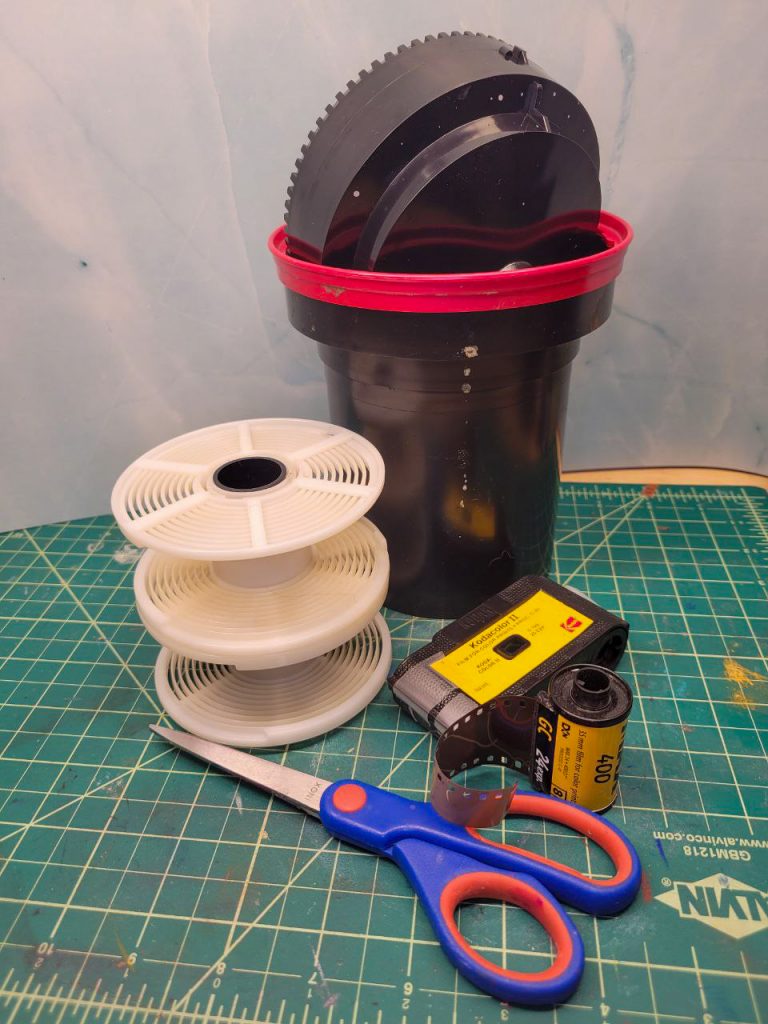
It’s best to bring the least amount of supplies into the bag so that you aren’t getting confused in an environment of things you cannot see and much identify by sense of touch alone. The film tank is, of course, crucial, but there’s no need to bring the outer lid or the agitation stick with you for example. Other than the tank/spools, you need: film, scissors, and potentially a bottle opener if you’re opening the canister.
What Happens in There?
I made a video to demonstrate exactly what I’m doing inside the dark bag. I recorded this with my eyes closed, to honestly show what I’m feeling for and what I’m doing. (It only took three tries to get it so that everything was centred in the frame, not bad!).
As you can see, there are two nibs on the film spool that are my tools of navigation. You find those and keep your thumbs on them and you should have limited issues. If you do not keep your thumbs there, you risk the film buckling, crinkling, and dislodging. They are the pathway to excellence. That’s not to say there can’t be issues, though.
For good measure, here’s the gist of opening a canister in the dark with a bottle opener (I’m sure they make a whole variety of these specifically for film, but I don’t have one):
Potential Problems, and How to Fix Them
The film won’t advance when you twist the mechanism.
Most likely reason for this is that something is wet. If you are developing tanks back-to-back in a batch session, you must make sure that your spools/tank/film is dry before you go into that bag. If you think this can’t be the issue, check the little ball bearings in the spool. They could be a. wet or b. just a little stuck. A fingernail can loosen them, and a fingernail coated in a bit of your shirt can dry them.
Another source of wet can come from your hands, though. When I first started developing inside one of these bags, my biggest issue was that I would take so long fiddling with it that my hands would start to sweat and that was enough to make the whole thing a terrible experience. If you’re getting frustrated and your hands are getting sweaty, let go and either rest a bit inside the bag or throw the film in the closed tank for a second and pull your hands out to cool them down.
The film begins to advance, but it stops and the mechanism becomes very difficult to turn. The film isn’t finished, though.
This could be the wet problem again, really. You might have had dry to start and then things got humid. It can also mean that the film skipped a row on the coil it’s supposed to follow. That can happen if you’re pulling the spool outwards as you’re reeling it, or if you’re pushing inwards. Believe it or not, a relaxed and casual touch is needed on the spool while you’re working this. If you’re tense and gripping the plastic, you might be adding unwanted pressure somewhere (and potentially getting sweaty).
It could also be the ball bearings again. If they locked up, the film won’t advance anymore. It’ll also rip apart your perforations if you force it.
I’ve had this happen to me a few times, and whether or not it’s the ‘right’ answer, I rip the film out and start over. Sometimes this rips the perforations. In that case, I have to feel around the edges of the film and make sure there aren’t any jagged hanging bits of film. If there are, I pull them off. Usually you can get the film back in once you fix whatever else was wrong (wet, locked ball bearing, or too much tension in your hands while you’re working the thing). I have never once not been able to develop a roll, though, you just need to be really patient sometimes.
If you’re using a metal spool rather than a plastic one, you’re likely to run into this more often. I started out with one of those back in the day, and I used a metal container and metal spool for about a decade. They stay dry easier, there are no ball bearings to deal with, but oh wow just a tiny bit of misalignment and you’re never getting that film to settle on it. It’s also a completely different process to roll, so if you’re doing that, this isn’t the post for you anyway.
You can feel the film rippling as you advance it.
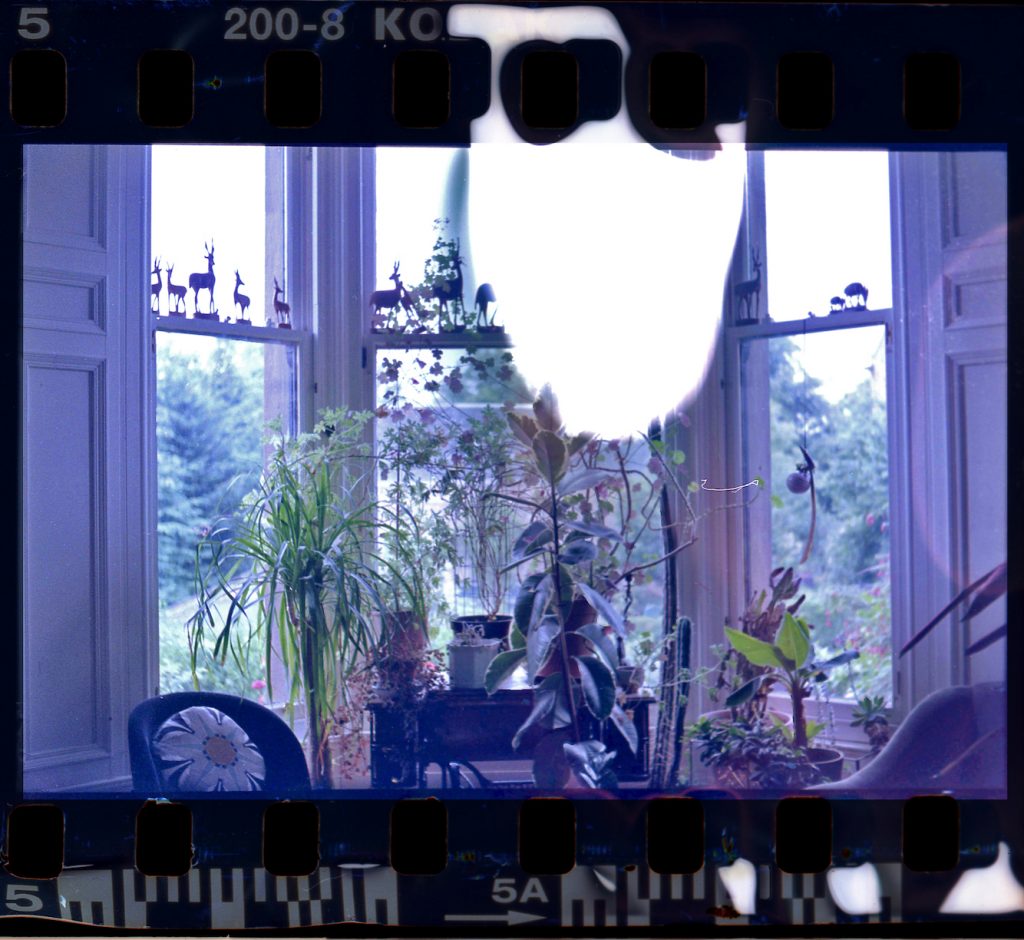
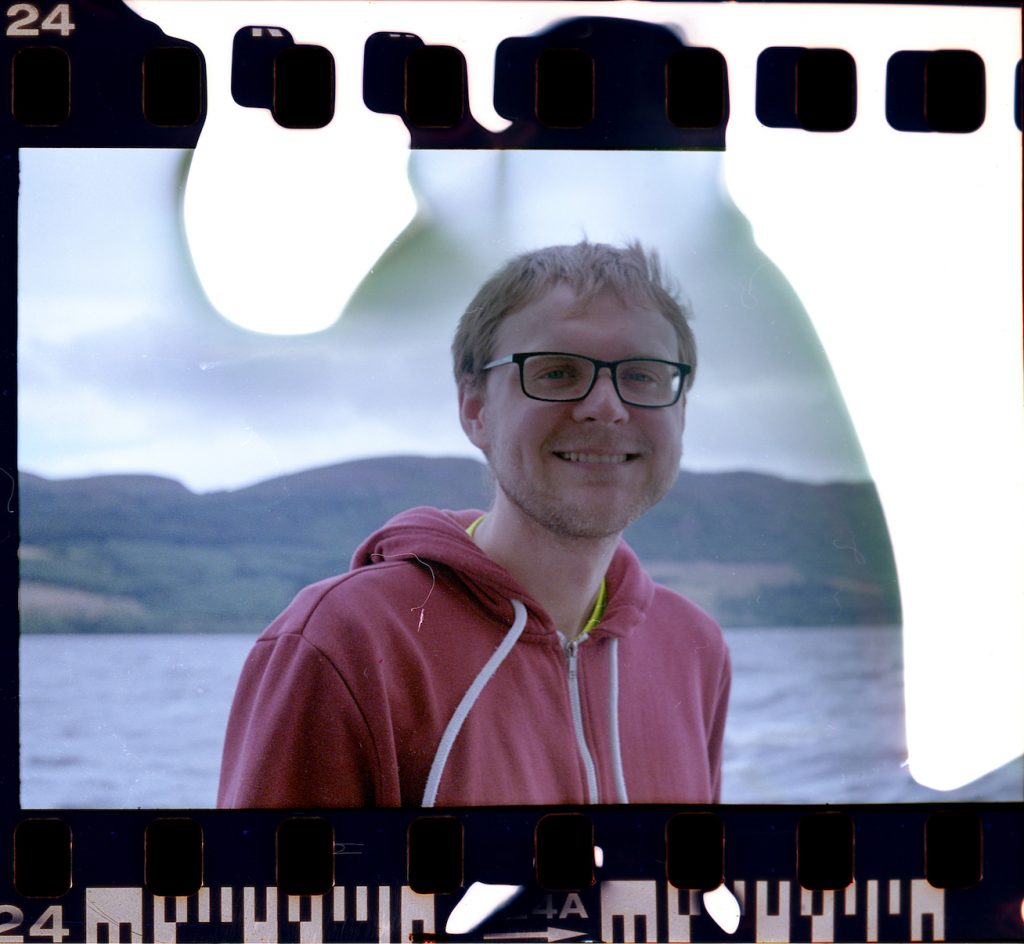
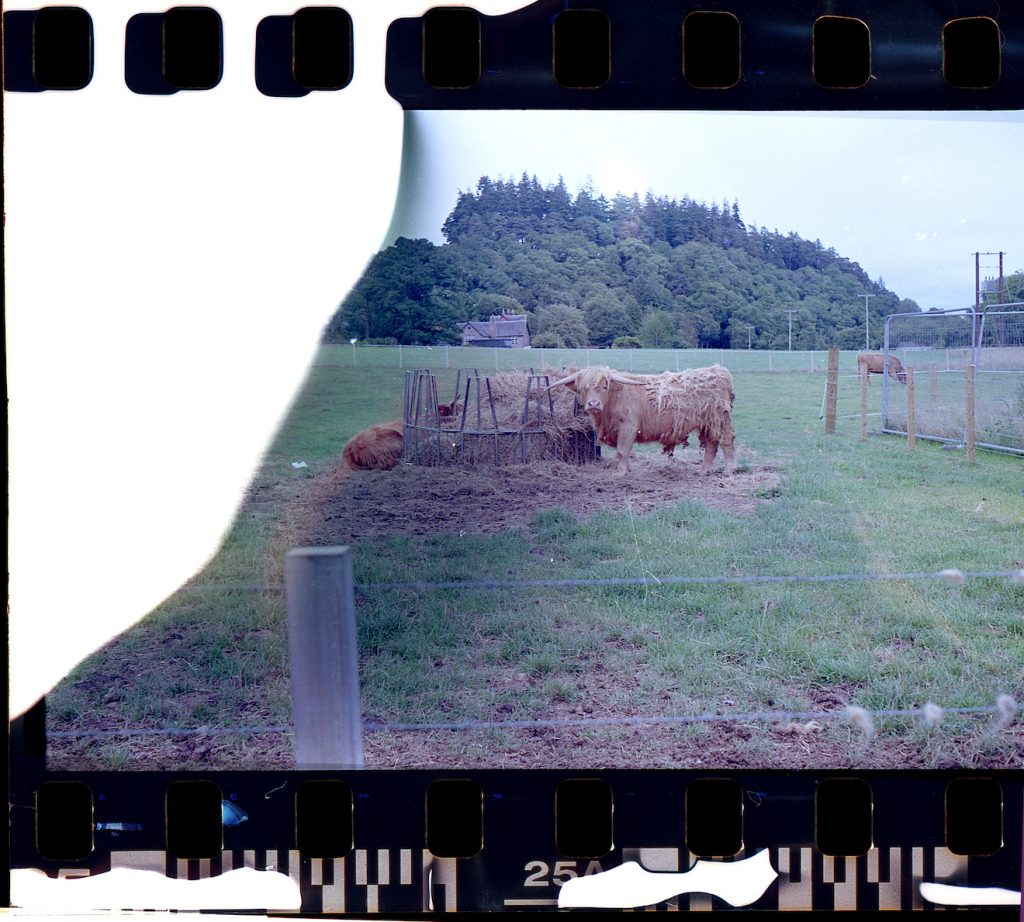
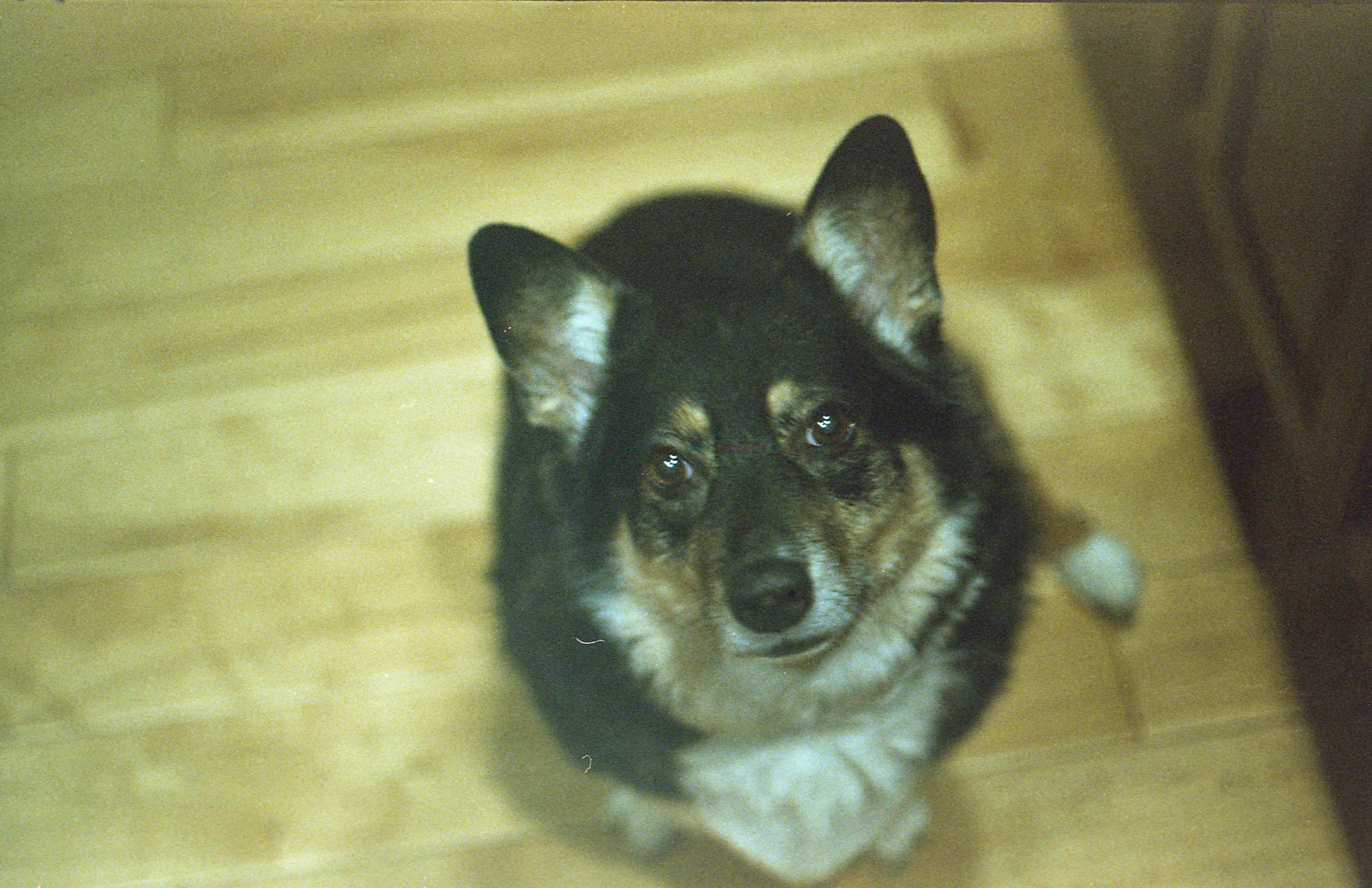
That’s another issue with tension. It could have started slightly misaligned and tension has worsened it. If you force it to keep going (which you usually can), you risk having the coil of film touch in parts, which will lead to parts of the roll not getting developed. For examples of what can happen, see the photos below, which I developed on a wonky spool that I was impatient with. I kind of love them, but a few other frames were completely white and I will never know what those were supposed to be.






What To Do Now?
If you’ve stumbled across this without context, here’s a much longer post about developing colour film at home.



One thought on “The Dark Bag”